
When you decide to rebuild the crankshaft of your motorcycle, there’s one detail that many machine shops overlook—and it can end up costing you dearly.
The centrifugal filter that no one cleans
The Motom crankshaft incorporates a centrifugal filter hidden in the half-moon section, near the connecting rod end cap. Its function is to collect impurities from the oil using centrifugal force, preventing them from clogging the connecting rod’s oil supply holes—particularly the oil jets.
The problem is that this filter is almost always overlooked during the overhaul. The shaft is re-bored, everything is reassembled, and the filter remains clogged with sludge just as before.
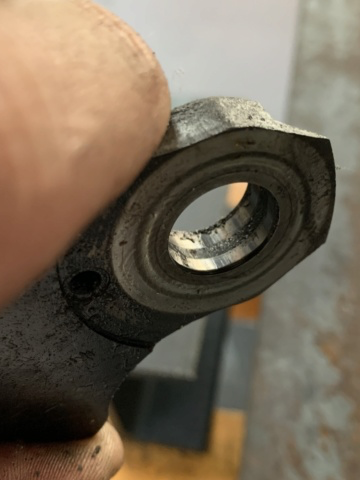
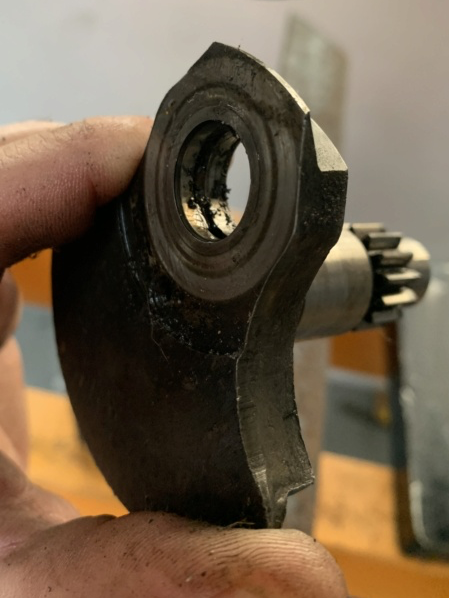
Synthetic oil and sludge: a dangerous combination
Synthetic oil is known for its cleaning properties—and that’s exactly why it can become a problem on a Motom with a clogged centrifugal filter.
When synthetic oil dissolves the sludge that has built up in the filter, it carries it directly into the connecting rod bearings. This can result in a connecting rod failure—one of the most serious breakdowns that can occur.
This is one of the main reasons why it is preferable to use mineral oil in the Motom.
My experience
This happened to me twice during the same trip. I had opted for synthetic oil and had the crankshafts re-machined at a well-known shop here in the province of Bergamo. When I got back, I inspected both the crankshafts used during the trip and the new ones that were still waiting to be installed: none of them had been cleaned properly.
From that moment on, I decided to cut down the trees myself, clean them thoroughly, and only then take them to be processed.
How to Clean the Tree Properly
When you open the engine block for cleaning, remember to:
- Remove the aluminum cap from the tapered end of the flywheel
- Thoroughly clean the center of the shaft—it’s often the most clogged part
- Replace the cap with a new one after cleaning
- Make sure the feed slots for the rolls are completely clear
Don't assume that the correction will be made—check it yourself.
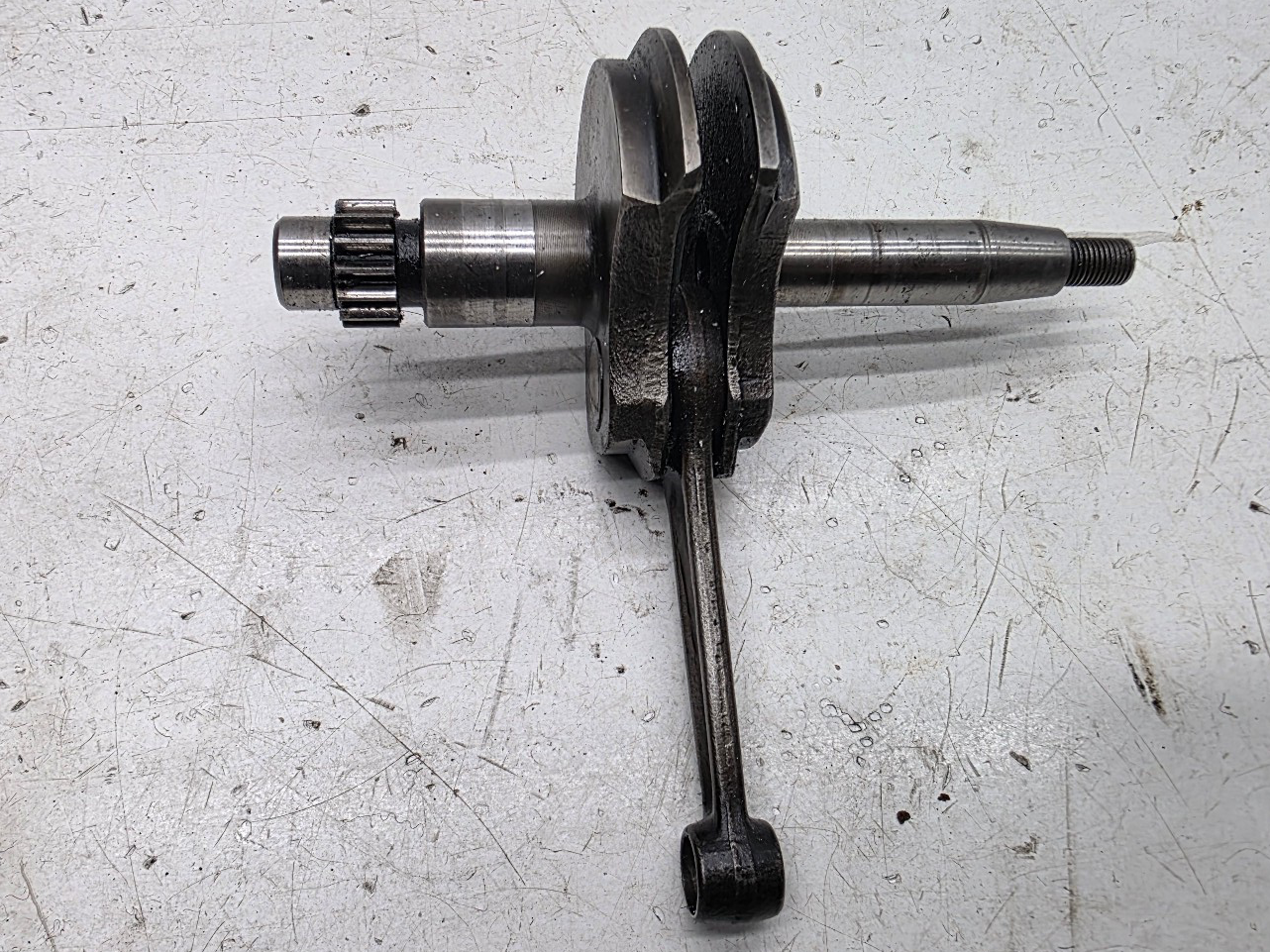
Be careful with used trees
One last important tip: stay away from used engine blocks.
The reason is simple—the Motom doesn’t use a roller cage but loose rollers. This makes it the most critical component in the entire engine, and also the hardest to assess by eye. In my experience, at least 90% of the used crankshafts on the market are already worn out.
If you use the Motom regularly, have a new crankshaft installed or keep a clean, inspected spare on hand.
If, on the other hand, you only plan to start up your motorcycle every now and then to let a friend hear how it sounds—then a used one will do just fine. But if you really want to ride it, don’t take any chances.
To learn more about choosing the right oil for your Motom, read our guide: What Oil to Use in Your Motom — The Definitive Guide.
If you're looking for a crankshaft, check out the Motom Marketplace—but remember: only buy from sellers who guarantee that it has been cleaned and inspected.
If you found this article useful and would like to help keep Motom Club alive, you can support the project with a small contribution.
SUPPORT MOTOM CLUBAll content on this site is protected by copyright. Reproduction, even partial, is prohibited without written permission.